
Published - 2 years ago | 7 min read
Trends in Cybersecurity 2024: Preparing for the Future
Cybersecurity has become more critical in an era where technological advancements surpass the most optimistic predictions. The year 2024 has brought new challenges and trends in the cybersecurity landscape. This article aims to dig deep into these trends, providing insights and real-world examples to help individuals and organizations prepare for the future.
AI-Driven Security Measures
The advancement of AI in cybersecurity has been one of the most pivotal developments in recent years. By 2024, AI-driven security systems have evolved to detect, predict, and neutralize threats before they can cause harm. These systems use machine learning algorithms to analyze patterns and anomalies in network traffic, enabling them to identify potential threats more accurately than ever before. For example, Darktrace, a leader in this field, employs AI to monitor network activities continuously. The AI system learns the normal 'pattern of life' for every user and device on the network. It can instantly detect and respond to deviations that may indicate a threat. This includes identifying subtle signs of ransomware or unusual data transfers that could suggest a data breach. This proactive approach contrasts sharply with traditional security measures, which often only react after an attack. By detecting potential threats early, AI-driven security systems can prevent attacks from causing significant damage, thus providing a more robust and responsive cybersecurity environment.
Quantum Computing and Encryption
The emergence of quantum computing poses a significant challenge to traditional encryption methods. Traditional cryptographic algorithms, the backbone of data security in everything from email communications to banking transactions, rely on the difficulty of factoring large numbers, a task that quantum computers could perform exceedingly fast. This advancement threatens to make current encryption obsolete, leading to a potential crisis in data security. Companies like IBM and Google are at the forefront of developing quantum-resistant encryption techniques. These techniques, such as lattice-based cryptography, are believed to be secure against the capabilities of quantum computers. IBM, for example, has been experimenting with quantum-safe algorithms to safeguard data against future quantum threats. This development is not just a technical challenge but a race against time, as the emergence of quantum computers could leave much of the world's encrypted data vulnerable. This makes the development of quantum-resistant encryption one of the most critical tasks in the field of cybersecurity.

The Rise of Mobile Security Threats
With the increasing prevalence of mobile devices, the landscape of cybersecurity threats has expanded dramatically. Mobile devices often contain a wealth of personal and professional data, making them a lucrative target for cybercriminals. In 2024, mobile security threats have become more diverse and sophisticated. One growing threat is 'Juice Jacking' - a method for manipulating charging stations to compromise connected devices. This can lead to data theft or the installation of malware on the device. For instance, a scenario occurred in a public airport where several charging stations were tampered with, leading to a breach of sensitive data from unsuspecting travelers' devices. This trend underscores the need for robust security measures in mobile devices, including secure charging options, updated security software, and public awareness of these threats. Mobile security is no longer just about protecting against malware; it's about a comprehensive approach to safeguarding all aspects of mobile usage.
IoT and Smart Device Vulnerabilities
The proliferation of IoT (Internet of Things) devices has significantly enhanced our lives. Yet, it has also opened new avenues for cyber threats. Smart devices, due to their interconnected nature and often lax security measures, are particularly vulnerable. In 2024, this vulnerability was highlighted by a significant breach in smart home systems by Eufy, where attackers gained unauthorized access to home cameras, leading to a severe invasion of privacy. This incident is a stark reminder of the importance of securing IoT devices. Manufacturers and consumers alike must prioritize security in these devices, ensuring they are functional, user-friendly, and secure. This can include regular software updates, strong default security settings, and educating users about the risks and necessary precautions. The Eufy breach serves as a wake-up call, emphasizing the need for comprehensive security measures in the rapidly expanding realm of IoT.
Increased Focus on Cloud Security
Securing cloud infrastructure has become a critical concern as more businesses migrate to the cloud. Cloud platforms offer numerous benefits, including scalability, flexibility, and cost-efficiency, but they also present unique security challenges. In 2024, we witnessed sophisticated cloud security breaches, exemplifying the advanced techniques cyber attackers use. One notable incident was the attack on Cloudflare, which exploited vulnerabilities in cloud configurations. This attack caused significant operational disruptions and raised concerns about the safety of sensitive data stored on the cloud. Enhancing security measures such as multi-factor authentication, end-to-end encryption, and rigorous access controls have become essential to counteract these threats. Additionally, there's an increased emphasis on educating users and administrators about best practices in cloud security. Businesses invest more in cloud security solutions and employee training to protect their data and maintain their customers' trust.
The Evolution of Phishing Attacks
Phishing attacks, a long-standing method cybercriminals use, have evolved significantly by 2024. With AI and machine learning advancements, these attacks have become more sophisticated, targeted, and harder to detect. Integrating deepfake technology, which utilizes AI-generated audio and video, has led to a new level of deception in phishing scams. A notable example was the attack on a European bank, where fraudsters used AI to mimic the CEO's voice, instructing an employee to transfer funds to a fraudulent account. This incident demonstrates the increasing sophistication of phishing attacks, highlighting the need for advanced security measures and training. Organizations must educate employees about these evolving threats and employ advanced security technologies like AI-based anomaly detection to identify and prevent such attacks.

Regulatory Compliance and Cybersecurity
With the escalating number and severity of cyber threats, governments worldwide have tightened cybersecurity regulations. In 2024, amendments to the European Union's General Data Protection Regulation (GDPR) included more stringent penalties for data breaches, reflecting the increasing importance of data security. This regulatory shift has compelled companies to adopt more rigorous data protection practices. Major corporations like Amazon and Microsoft have responded by enhancing compliance strategies, investing in advanced security technologies, and training employees on best practices for data protection. These measures help comp comply with regulations and play a crucial role in building customer trust and protecting corporate reputations. The strengthened regulations signal a more aggressive stance on data protection and privacy, pushing companies to prioritize cybersecurity in their operational strategies.
Cybersecurity Skill Gap
Despite technological advancements, the human element in cybersecurity remains indispensable. By 2024, the industry faces a significant skill gap, with a shortage of qualified cybersecurity professionals. This gap poses a substantial risk, as lacking skilled personnel can leave organizations vulnerable to cyber attacks. Reports from entities like CyberSeek highlight the urgency of this issue, emphasizing the need for more training and education programs in cybersecurity. Companies are responding by investing in employee training, offering incentives for cybersecurity certifications, and collaborating with educational institutions to develop relevant curricula. The skill gap also presents an opportunity for job seekers as the demand for cybersecurity expertise grows, offering a promising career path for those interested in the field.
Ransomware: More Than Just Encryption
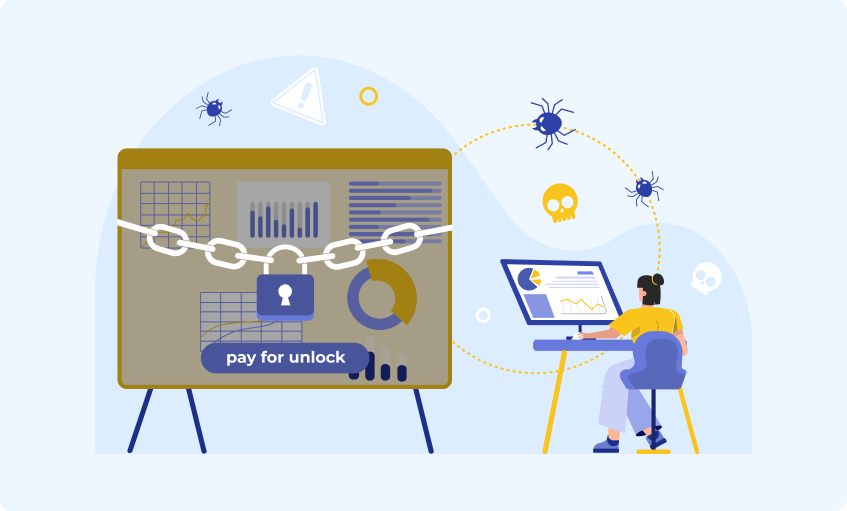
Ransomware attacks have become increasingly complex and damaging by 2024. These attacks have evolved from merely encrypting data to threatening its public release, significantly increasing the pressure on the victims to pay the ransom. A prominent example of this was the attack on Garmin, where attackers not only encrypted data but also demanded a ransom to prevent its public disclosure. This evolution of ransomware attacks highlights the need for comprehensive security measures, including regular data backups, employee training on phishing prevention, and advanced threat detection and response systems. The Garmin incident also underscores the importance of an incident response plan, ensuring that organizations can quickly and effectively respond to such attacks.
State-Sponsored Cyber Attacks
The involvement of nation-states in cyber attacks has become a significant global concern. By 2024, these attacks have become more frequent and sophisticated, often targeting critical infrastructure and political systems. The SolarWinds hack, attributed to a foreign government, is a prime example, demonstrating the scale and complexity of state-sponsored cyber attacks. This incident compromised thousands of organizations worldwide and highlighted the vulnerabilities in supply chain security. It underscores the need for a coordinated global response to cybersecurity, including sharing threat intelligence, developing international cybersecurity standards, and increasing investment in cybersecurity defenses. State-sponsored attacks represent a formidable challenge, requiring a comprehensive and collaborative approach to counter effectively.
Conclusion
Overall, cybersecurity in 2024 is a dynamic field, constantly evolving to counter new threats. Understanding these trends is crucial for individuals and organizations to stay ahead of potential risks. Cybersecurity will remain a pivotal factor in safeguarding our digital future as we continue integrating technology into every aspect of our lives.

Written by / Author
Manasi Maheshwari
Found this useful? Share With
Top blogs
Most Read Blogs
Wits Innovation Lab is where creativity and innovation flourish. We provide the tools you need to come up with innovative solutions for today's businesses, big or small.
© 2026 Wits Innovation Lab, All rights reserved
Crafted in-house by WIL’s talented minds