
Published - 7 months ago | 9 min read
Hiring Is Slowing: Why Certain Recruiters Dominate the Market
The global labor market is experiencing a profound recalibration. Recent labor data confirms this shift, showing that 2025 experienced the smallest overall job gains since 2020, capping off with a lower-than-expected 50,000 roles added in December alongside a 4.4% unemployment rate. Companies are tightening budgets, freezing headcount, and scrutinizing every addition to their payroll. This environment creates specific hiring challenges 2026 for talent acquisition professionals. Organizations demand faster time-to-fill metrics alongside higher retention rates. A distinct group of talent acquisition leaders continues to thrive in this restrictive climate. These high-performing professionals are rewriting the recruitment playbook. They understand that studying recruitment trends 2026 requires moving beyond surface-level observations. The most successful professionals analyze underlying data points to build resilient talent pipelines. They deploy innovative tactics to capture the attention of high-value candidates. This comprehensive guide breaks down the exact mechanisms top performers use to secure elite professionals in a cooling market.
The Shift Toward Predictive Talent Analytics
Traditional reactive hiring models fail in restricted markets. A core component of emerging recruitment trends 2026 involves anticipating organizational needs before a vacancy occurs. Top recruiters utilize predictive analytics to forecast turnover rates and pinpoint upcoming skill gaps within their organizations. They analyze historical retention data alongside broader market indicators. They evaluate repository commit frequencies, promotion velocity within competitor firms, and macro-economic funding rounds. This data-driven approach allows them to build specialized talent pools months in advance. Securing leadership buy-in becomes significantly easier with hard data supporting the sourcing strategy.
Integrating advanced software solutions accelerates this predictive capability. The strategic deployment of recruitment automation tools separates average sourcers from industry leaders. Elite professionals use machine learning algorithms to map the career trajectories of passive candidates. These systems trigger alerts when a highly qualified individual demonstrates signals of career restlessness. Anticipating candidate movement is a critical component of how recruiters attract top talent right now. By reaching out precisely when a candidate updates their digital portfolio or achieves a specific tenure milestone, recruiters significantly increase their response rates. Moving forward, talent acquisition teams rely heavily on advanced talent mapping to secure market dominance
Integrating advanced software solutions accelerates this predictive capability. The strategic deployment of recruitment automation tools separates average sourcers from industry leaders. Elite professionals use machine learning algorithms to map the career trajectories of passive candidates. These systems trigger alerts when a highly qualified individual demonstrates signals of career restlessness. Anticipating candidate movement is a critical component of how recruiters attract top talent right now. By reaching out precisely when a candidate updates their digital portfolio or achieves a specific tenure milestone, recruiters significantly increase their response rates. Moving forward, talent acquisition teams rely heavily on advanced talent mapping to secure market dominance
Mastering the Art of Corporate Storytelling
Attracting niche specialists requires a compelling narrative. Candidates possess a heightened awareness of corporate stability. Developing resilient employer branding strategies is vital for communicating long-term viability. Industry data validates this shift, showing 62% of human resources leaders now classify corporate reputation building as a mandatory top priority. Furthermore, 86% of modern applicants thoroughly investigate a company's internal culture, leadership actions, and employee reviews before ever applying. Organizations must showcase clear paths for internal mobility and continuous skill development. Top recruiters work directly with marketing departments to craft hyper-targeted content. They produce technical deep dives, behind-the-scenes engineering blogs, and transparent cultural showcases. This content acts as a magnet for high-tier professionals seeking intellectually stimulating environments.
This authentic communication directly addresses multiple hiring challenges 2026. Candidates frequently experience skepticism regarding generic corporate messaging. Successful recruiters counter this by deploying employee-generated content across niche professional forums. They facilitate interactive Q&A sessions between prospective candidates and senior technical leaders. Highlighting authentic employee voices builds trust at an unprecedented scale. Evaluating recruitment trends 2026 reveals a massive shift toward radical transparency in the hiring process. Openly discussing engineering bottlenecks and operational hurdles attracts problem-solvers who thrive on complex challenges.
This authentic communication directly addresses multiple hiring challenges 2026. Candidates frequently experience skepticism regarding generic corporate messaging. Successful recruiters counter this by deploying employee-generated content across niche professional forums. They facilitate interactive Q&A sessions between prospective candidates and senior technical leaders. Highlighting authentic employee voices builds trust at an unprecedented scale. Evaluating recruitment trends 2026 reveals a massive shift toward radical transparency in the hiring process. Openly discussing engineering bottlenecks and operational hurdles attracts problem-solvers who thrive on complex challenges.
Executing Hyper-Personalization at Scale
Generic outreach messages guarantee failure in today's crowded digital ecosystem. Candidates ignore uninspired connection requests. Top-tier recruiters understand how recruiters attract top talent requires deep personalization. They conduct extensive research into a prospect's open-source contributions, published articles, and professional milestones. Outreach messages reference specific achievements and align them with the organization's immediate technical needs. This level of granular attention demonstrates immense respect for the candidate's professional journey.
Scaling this personalized outreach requires sophisticated technological infrastructure. The most effective professionals leverage next-generation recruitment automation tools to generate custom-tailored messaging sequences. These tools analyze a candidate's public digital footprint to suggest optimal outreach channels and exact contact times. They utilize API integrations connecting their Customer Relationship Management systems directly to internal applicant tracking platforms. A robust system categorizes candidates based on their precise technical proficiencies and career aspirations. Analyzing current recruitment trends 2026 demonstrates that hyper-personalization yields conversion rates exponentially higher than mass-mailing tactics. Recruiters utilizing these advanced frameworks consistently outperform their peers in response acquisition.
Scaling this personalized outreach requires sophisticated technological infrastructure. The most effective professionals leverage next-generation recruitment automation tools to generate custom-tailored messaging sequences. These tools analyze a candidate's public digital footprint to suggest optimal outreach channels and exact contact times. They utilize API integrations connecting their Customer Relationship Management systems directly to internal applicant tracking platforms. A robust system categorizes candidates based on their precise technical proficiencies and career aspirations. Analyzing current recruitment trends 2026 demonstrates that hyper-personalization yields conversion rates exponentially higher than mass-mailing tactics. Recruiters utilizing these advanced frameworks consistently outperform their peers in response acquisition.
Navigating Compensation Constraints with Holistic Value
Budgetary constraints pose a significant hurdle for talent acquisition. Companies simply cannot outbid competitors for every single requisition. Overcoming these specific hiring challenges in 2026 requires a pivot toward holistic compensation modeling. Top recruiters shift the conversation away from base salary toward comprehensive life-work integration. They emphasize fractional working arrangements, compressed workweeks, and asynchronous collaboration models. They discuss paid sabbaticals and extreme schedule autonomy. Candidates highly value absolute control over their daily routines.
Communicating these benefits requires highly sophisticated employer branding strategies. Recruiters must package and present these non-monetary benefits as tangible, highly desirable assets. They highlight stipends for home office setups, dedicated budgets for continuous learning, and robust mental health support frameworks. Examining the landscape of recruitment trends 2026 shows a clear candidate preference for organizations prioritizing overall well-being. Focusing on total life value is exactly how recruiters attract top talent when massive sign-on bonuses are unavailable. Organizations offering extreme flexibility consistently win top-tier talent in competitive negotiations.
Communicating these benefits requires highly sophisticated employer branding strategies. Recruiters must package and present these non-monetary benefits as tangible, highly desirable assets. They highlight stipends for home office setups, dedicated budgets for continuous learning, and robust mental health support frameworks. Examining the landscape of recruitment trends 2026 shows a clear candidate preference for organizations prioritizing overall well-being. Focusing on total life value is exactly how recruiters attract top talent when massive sign-on bonuses are unavailable. Organizations offering extreme flexibility consistently win top-tier talent in competitive negotiations.
Building Micro-Communities for Niche Skills
The scarcity of specialized technical skills forces a reinvention of sourcing methodologies. Relying on traditional job boards produces rapidly diminishing returns. Forward-thinking recruiters are building proprietary micro-communities to engage specific talent cohorts. They host virtual hackathons, sponsor specialized open-source projects, and moderate invite-only professional forums. They utilize dedicated Discord servers and specialized GitHub repositories to engage directly with software architects. These environments foster organic, long-lasting relationships with highly skilled individuals.
Community building aligns perfectly with highly effective recruitment trends 2026. Nurturing these networks allows recruiters to bypass the crowded open market entirely. They gain direct access to elite professionals who never actively search for new roles. To manage these communities effectively, teams deploy specialized recruitment automation tools. These platforms track community engagement levels and identify the most active and helpful contributors. Identifying community leaders simplifies the sourcing process for highly complex technical roles.
Community building aligns perfectly with highly effective recruitment trends 2026. Nurturing these networks allows recruiters to bypass the crowded open market entirely. They gain direct access to elite professionals who never actively search for new roles. To manage these communities effectively, teams deploy specialized recruitment automation tools. These platforms track community engagement levels and identify the most active and helpful contributors. Identifying community leaders simplifies the sourcing process for highly complex technical roles.
Rethinking the Interview Architecture
Lengthy, cumbersome interview processes destroy candidate interest. Top professionals demand absolute efficiency and respect for their time. Streamlining the assessment pipeline is a non-negotiable requirement for modern hiring. Successful talent leaders are completely redesigning their interview architectures. They replace generic behavioral questions with paid, real-world technical assessments. They consolidate multiple interview rounds into a single, comprehensive panel discussion. They utilize asynchronous video interviews for initial technical screenings to save immense amounts of scheduling time.
This structural overhaul requires immense internal coordination and alignment. Recruiters must train hiring managers on unbiased evaluation techniques and rapid decision-making frameworks. Accelerating the offer stage is a fundamental element of how recruiters attract top talent. Candidates interpret a fast, decisive hiring process as a direct reflection of a highly functional corporate culture. Analyzing core recruitment trends 2026 confirms that speed remains a decisive competitive advantage. Making immediate, compelling offers to top performers secures acceptances before competitors can even schedule a second interview round.
This structural overhaul requires immense internal coordination and alignment. Recruiters must train hiring managers on unbiased evaluation techniques and rapid decision-making frameworks. Accelerating the offer stage is a fundamental element of how recruiters attract top talent. Candidates interpret a fast, decisive hiring process as a direct reflection of a highly functional corporate culture. Analyzing core recruitment trends 2026 confirms that speed remains a decisive competitive advantage. Making immediate, compelling offers to top performers secures acceptances before competitors can even schedule a second interview round.
The Rise of Internal Talent Mobility Networks
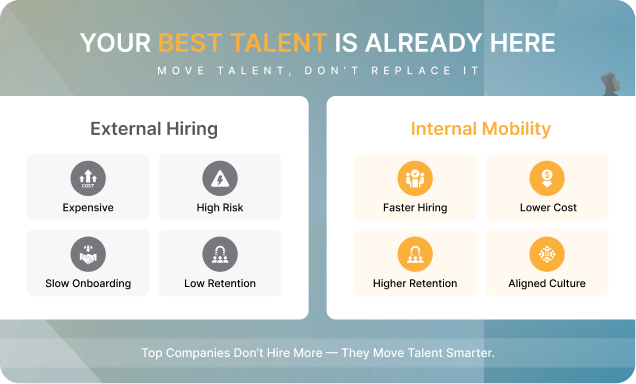
External hiring is inherently expensive and carries operational risks. Organizations are actively looking inward to fill critical vacancies. Building robust internal mobility networks is becoming a primary focus for talent acquisition departments. Recruiters act as internal career coaches, matching existing employees with exciting new opportunities across different business units. This strategy requires comprehensive skills mapping and a formalized taxonomy across the entire organization.
Executing this internal marketplace relies on specific employer branding strategies. The organization must actively promote stories of internal career pivots and cross-departmental promotions. Employees need highly visible proof that upward mobility is easily accessible. A strong internal brand significantly boosts overall organizational retention rates. This focus on internal development directly addresses the overarching hiring challenges 2026 related to cost reduction and institutional knowledge preservation. Promoting internally drastically reduces onboarding time and guarantees perfect cultural alignment.
Executing this internal marketplace relies on specific employer branding strategies. The organization must actively promote stories of internal career pivots and cross-departmental promotions. Employees need highly visible proof that upward mobility is easily accessible. A strong internal brand significantly boosts overall organizational retention rates. This focus on internal development directly addresses the overarching hiring challenges 2026 related to cost reduction and institutional knowledge preservation. Promoting internally drastically reduces onboarding time and guarantees perfect cultural alignment.
Harnessing the Power of Alumni Networks
Former employees represent an incredibly valuable, often completely overlooked talent pool. Re-hired professionals bring established institutional knowledge alongside fresh external market experience. Top recruiters actively cultivate corporate alumni networks to tap into this resource. They maintain regular contact with former top performers through dedicated newsletters and exclusive alumni events. They share organizational updates and highlight new strategic corporate initiatives.
Maintaining these relationships requires a systematic approach and dedicated resources. Dedicated recruitment automation tools help track alumni career progression and flag individuals acquiring highly sought-after skills. Re-engaging an alumnus requires significantly less vetting than assessing an entirely unknown candidate. Leveraging these established relationships is a defining characteristic of advanced recruitment trends 2026. The cost-per-hire for returning employees is drastically lower than traditional external sourcing methods. Alumni networks function as a completely pre-vetted, highly qualified talent pipeline.
Maintaining these relationships requires a systematic approach and dedicated resources. Dedicated recruitment automation tools help track alumni career progression and flag individuals acquiring highly sought-after skills. Re-engaging an alumnus requires significantly less vetting than assessing an entirely unknown candidate. Leveraging these established relationships is a defining characteristic of advanced recruitment trends 2026. The cost-per-hire for returning employees is drastically lower than traditional external sourcing methods. Alumni networks function as a completely pre-vetted, highly qualified talent pipeline.
Integrating Neurodiversity into Sourcing Strategies
Building truly innovative teams requires diverse cognitive approaches. Elite recruiters actively expand their sourcing parameters to include neurodivergent professionals. They recognize that traditional interview formats often disadvantage incredibly talented individuals. Forward-thinking talent leaders adapt their screening processes to accommodate different communication styles. They offer written assessments in place of high-pressure verbal interviews. They provide clear, explicit instructions for every single stage of the evaluation process. They utilize text-to-speech tools and customized user interfaces for technical assessments.
This commitment to cognitive diversity strengthens employer branding strategies overall. Candidates respect organizations actively dismantling systemic barriers to entry. Accommodating neurodiversity is a highly progressive component of recruitment trends 2026. Companies adopting these inclusive practices gain immediate access to a massive, drastically underutilized talent demographic. This approach yields highly dedicated employees with exceptional analytical and creative capabilities. Teams embracing neurodiversity consistently report significantly higher rates of innovation and problem-solving success.
This commitment to cognitive diversity strengthens employer branding strategies overall. Candidates respect organizations actively dismantling systemic barriers to entry. Accommodating neurodiversity is a highly progressive component of recruitment trends 2026. Companies adopting these inclusive practices gain immediate access to a massive, drastically underutilized talent demographic. This approach yields highly dedicated employees with exceptional analytical and creative capabilities. Teams embracing neurodiversity consistently report significantly higher rates of innovation and problem-solving success.
Global Talent Arbitrage and Borderless Sourcing
Geographical boundaries no longer restrict top-tier talent acquisition. Remote work infrastructure enables recruiters to source candidates globally with absolute ease. Talent acquisition leaders capitalize on this by practicing global talent arbitrage. They identify specific regions with a high concentration of required technical skills and highly favorable economic conditions. This strategy allows organizations to secure world-class talent without paying premium coastal city salaries.
Operating a borderless hiring model requires highly sophisticated compliance and payroll infrastructure. Recruiters partner with Employer of Record services to facilitate seamless global onboarding and legal compliance. They adapt their sourcing hours to engage candidates across multiple international time zones. Building an international talent pipeline entirely insulates companies from localized skill shortages. Global sourcing strategies represent the ultimate evolution of modern recruitment methodologies. Organizations embracing borderless hiring scale their global operations with unparalleled financial efficiency.
Operating a borderless hiring model requires highly sophisticated compliance and payroll infrastructure. Recruiters partner with Employer of Record services to facilitate seamless global onboarding and legal compliance. They adapt their sourcing hours to engage candidates across multiple international time zones. Building an international talent pipeline entirely insulates companies from localized skill shortages. Global sourcing strategies represent the ultimate evolution of modern recruitment methodologies. Organizations embracing borderless hiring scale their global operations with unparalleled financial efficiency.
The Strategic Blueprint for Talent Acquisition Dominance
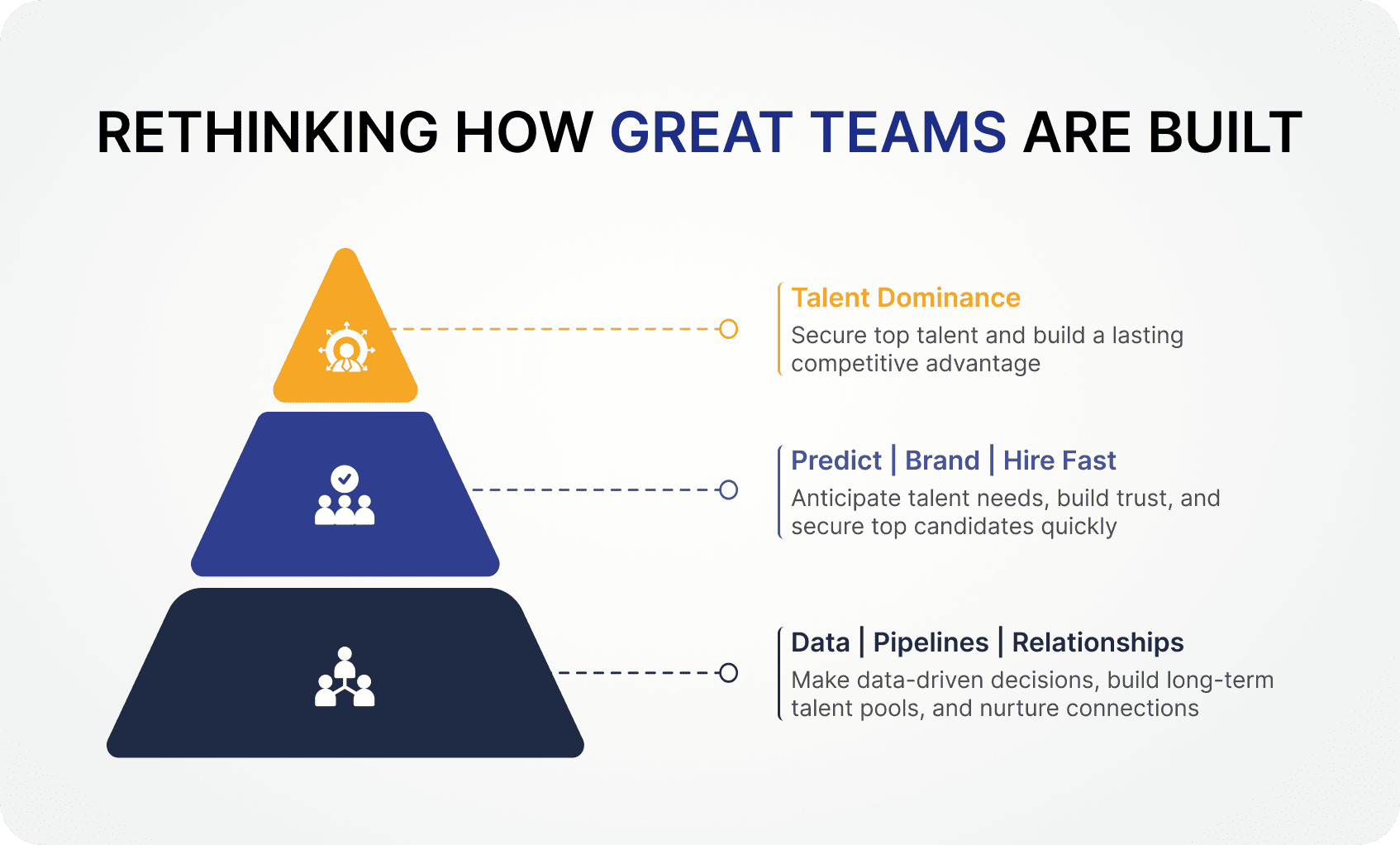
The current hiring slowdown is a filter separating reactive administrators from strategic talent advisors. Winning in this environment requires a fundamental, system-wide operational pivot. Recruiters must evolve into sophisticated data analysts, proactive community builders, and specialized recruitment marketers. The market heavily rewards professionals who prioritize long-term relationship building over immediate transactional placements. They build robust talent infrastructures explicitly designed for long-term sustainability.
Mastering the intricacies of recruitment trends 2026 guarantees a highly durable competitive advantage. By aligning predictive analytics, authentic corporate storytelling, and highly efficient hiring processes, recruiters consistently secure the market's absolute top performers. Organizations implementing these advanced frameworks will emerge from the current economic cycle with unprecedented talent density and market dominance.
Mastering the intricacies of recruitment trends 2026 guarantees a highly durable competitive advantage. By aligning predictive analytics, authentic corporate storytelling, and highly efficient hiring processes, recruiters consistently secure the market's absolute top performers. Organizations implementing these advanced frameworks will emerge from the current economic cycle with unprecedented talent density and market dominance.
FAQ
1. What are the top marketing trends for 2026?
The top marketing trends 2026 include Agentic AI, Generative Engine Optimization (GEO), and Hyper-Personalization.
2. Why are generalist marketers disappearing?
They are disappearing because AI can now handle general execution tasks faster and cheaper, leaving no room for "average" work.
3. What is a T-Shaped Marketer?
They are disappearing because AI can now handle general execution tasks faster and cheaper, leaving no room for "average" work.
4. Is SEO dead in 2026?
Traditional SEO is declining; it is being replaced by GEO, which requires specialist marketing skills to optimize for AI answers using Information Gain.
5. What skills should I learn in 2026?
Focus on AI Governance, Video Commerce, and Data Architecture to align with marketing trends 2026.
6. Will AI take my marketing job?
AI will replace generalists focused on execution; it will empower strategists who understand the future of digital marketing.

Written by / Author
Manasi Maheshwari
Found this useful? Share With
Top blogs
Most Read Blogs
Wits Innovation Lab is where creativity and innovation flourish. We provide the tools you need to come up with innovative solutions for today's businesses, big or small.
© 2026 Wits Innovation Lab, All rights reserved
Crafted in-house by WIL’s talented minds